

In today’s saturated retail landscape, where consumers make decisions in seconds and shelves are overflowing with competing products, your label is no longer just a sticker, it’s your silent salesperson. It’s the first impression, the branding handshake, and the difference between customers reaching for your product or the one next to it.
At Libra Labels, we see every label as a strategic marketing asset. A well-designed label:
- Attracts immediate attention
- Communicates trust and brand authenticity
- Enhances the perception of product quality
- Influences in-store and online buying decisions
- Reinforces long-term brand recognition
Modern consumers don’t simply buy products, they buy the story, the emotion, and the experience behind the product. And your label is one of the most powerful tools to deliver that.
This comprehensive guide reveals the latest expert insights, industry best practices, latest design trends, material recommendations, and conversion-driven label strategies used by successful brands worldwide. Whether you’re launching a new product, refreshing packaging, or scaling a product line, these principles will help you design labels that sell not just look good.
Label Design Foundations: The Essentials Every Brand Must Get Right
Great label design is built on a foundation of clarity, consistency, emotional appeal, and packaging alignment. Below are the most critical principles that determine whether your label will succeed on the shelf.
1. Prioritise Readability: Your Most Important Design Rule
If a customer can’t read your label instantly, they won’t pick up the product no matter how beautiful the design is.
At Libra Labels, we follow a simple rule:
👉 If the message isn’t clear in 3 seconds, it’s not working.
Key Readability Principles
✔ Font size matters: Avoid tiny fonts under 7pt. Your label must be easily readable in-store, in motion, and under various lighting.
✔ Choose legible typefaces: Sans-serif and clean serif fonts work best. Avoid overly decorative fonts except in small accents.
✔ Use high contrast: Dark text on light backgrounds (or vice versa) ensures clarity and compliance.
✔ Information hierarchy: Customers should instantly identify:
- Product name
- Product type
- Key benefits
- Essential instructions
When designing for maximum clarity, we recommend the 5-Second Shelf Test, a UX method we use at Libra Labels to determine whether buyers can quickly understand your offer.
2. Use Colour Psychology Strategically
Colour is the most emotionally powerful visual cue on any label. It sets expectations, expresses your brand personality, and influences buying behaviour.
Popular Colour Associations
- Red: energy, urgency, appetite-stimulating
- Blue: trust, calm, reliability (excellent for health & tech)
- Green: natural, organic, sustainable
- Yellow: happiness, optimism, attention-grabbing
- Black: luxury, premium, sophistication
At Libra Labels, we help brands build a colour palette that aligns with:
- Brand personality
- Industry norms
- Packaging material
- Demographic preferences
- Competitor differentiation
Example: Organic skincare rarely uses neon colours but a bold black-and-white minimal label can instantly signal “premium.”
3. Typography That Enhances Impact & Consumer Trust
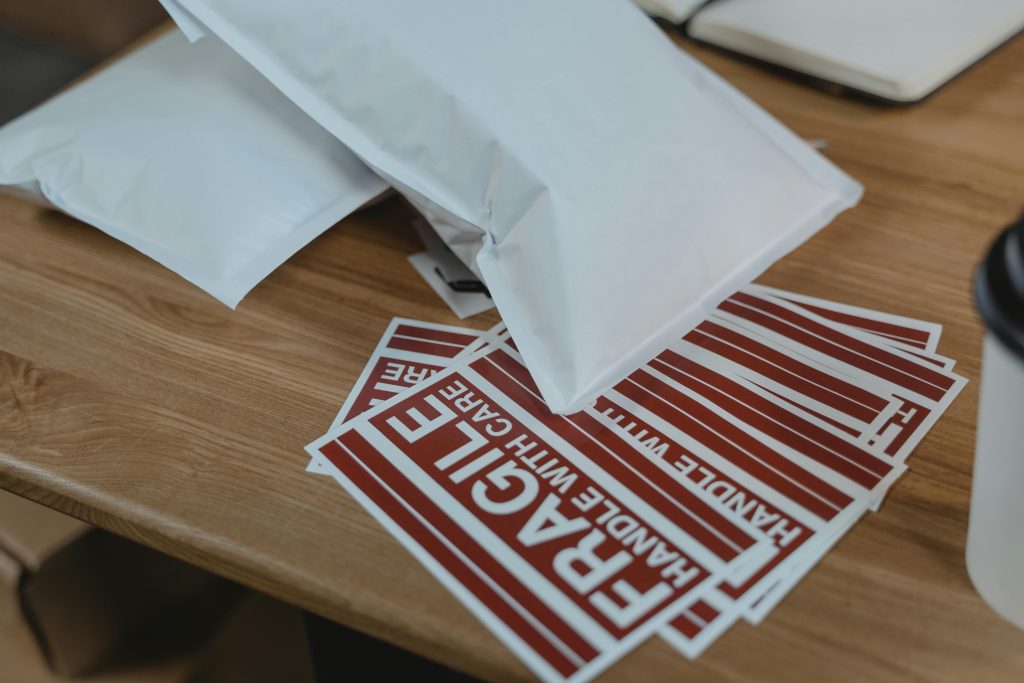
Typography communicates subtle cues about quality, reliability, and the personality of your brand.
Typography Best Practices
- Limit to 2–3 fonts
- Use contrasting font pairings (serif + sans-serif)
- Apply bold to highlight essentials
- Maintain consistent spacing and line height
- Ensure enough negative space around text
Typography is often overlooked, but at Libra Labels, we treat it as a crucial part of brand identity especially for premium FMCG, beverages, cosmetics, and eco-friendly brands.
4. Brand Consistency: The Backbone of Recognition
A customer should recognise your product from across the store before they even read the label.
Brand consistency builds:
- Recognition
- Trust
- Professional credibility
- Repeat purchasing behaviour
Key Areas to Keep Consistent
- Colour palette
- Typography
- Logo placement
- Graphic style
- Iconography
- Tone of voice
- Label layout structure
Libra Labels provides brand identity alignment checks for every label project to ensure all elements remain on-brand across product lines.
Label + Packaging Integration: Designing for Real-World Use
A label NEVER works in isolation. It must fit the shape, texture, and material of the packaging it’s applied to.
This is where many DIY labels fail and where Libra Labels helps brands win.
5. Align Your Label With Packaging Form & Material
Your packaging influences:
- Label shape
- Material choice
- Adhesive requirements
- Ink compatibility
- Finishing options
- Durability
Packaging Considerations
- Cylindrical bottles
- Jars
- Boxes
- Tubes
- Pouches
- Plastic vs glass vs metal
Example:
- A matte paper label on a glossy bottle creates a premium contrast.
- A clear label on a frosted container creates a “no-label” transparent effect.
Libra Labels designers study your packaging form before designing the label, ensuring not just aesthetic alignment but perfect physical fit.
6. White Space: The Secret Weapon of Modern Label Design
White space (negative space) improves:
- Readability
- Visual hierarchy
- Premium feel
- Shelf clarity
- Consumer focus
Crowded labels look cheap and overwhelm buyers.
At Libra Labels, we apply the “Breathe Rule”: If every element doesn’t have space to breathe, the label needs refinement.
Material & Print Excellence: Where Quality Meets Functionality
Design without the right material is wasted effort.
The material determines:
- Durability
- Moisture/heat resistance
- Transparency
- Texture
- Print quality
- Regulatory compliance
Libra Labels specialises in helping brands choose the perfect material for their product environment.
7. Choosing the Right Label Material (Paper, Vinyl, Polyester)
Paper Labels
✔ Cost-effective
✔ Eco-friendly options
✔ Soft, natural aesthetic
Best for: dry products, food, cosmetics, candles.
Vinyl Labels
✔ Waterproof
✔ UV-resistant
✔ Oil & chemical resistant
Best for: outdoor products, beverages, personal care.
Polyester Labels
✔ Highest durability
✔ Scratch and tear-resistant
✔ Long-term premium appearance
Best for: harsh environments, industrial products.
We also offer:
- Metallic films
- Textured papers
- Clear labels
- Recycled materials
- Compostable materials
8. Print Quality, Colour Accuracy & Finishes
A label is only as good as its print execution.
At Libra Labels, we ensure:
- High-resolution 300+ DPI artwork
- Colour calibration for perfect CMYK/Pantone matching
- Crisp text and sharp lines
- Long-lasting inks
- Luxury finishing options
Finishing Enhancements Available
- Matte or gloss lamination
- Spot UV
- Embossing
- Debossing
- Hot foil stamping
- Raised varnish
- Soft-touch finish
These do more than look pretty; they increase shelf presence and perceived value.
Common Label Design Mistakes And How Libra Labels Helps You Avoid Them
Even the most visually impressive labels can fail if fundamental design mistakes are overlooked. At Libra Labels, we audit hundreds of labels each year, and the same issues repeatedly appear that hurt shelf performance, compliance, and consumer trust.
Below are the most damaging label design mistakes and how to prevent them.
Mistake 1: Overcrowding & Information Overload
Brands often try to communicate everything on the label… and end up communicating nothing.
Too much text, too many icons, and tight spacing cause:
- Visual clutter
- Poor readability
- Distracted buyers
- A cheaper perceived product quality
✔ Libra Labels Solution
We use strategic layout frameworks and hierarchy mapping to:
- Prioritise vital information
- Reduce clutter
- Increase visual breathing space
- Improve scanning speed
- Highlight core selling points
The result? A cleaner, more premium, and conversion-friendly product label.
Mistake 2: Poor Font Selection or Inconsistent Typography
Fonts can make or break a design.
Common errors:
- Using more than 3 fonts
- Overly decorative typefaces
- Not enough contrast
- Inconsistent styles across SKUs
✔ Libra Labels Solution
Our designers implement:
- Font pairing systems
- Legibility analysis
- Accessibility checks
- Brand typographic guidelines
This ensures your entire product line looks cohesive, trustworthy, and premium.
Mistake 3: Weak Brand Consistency (The Silent Sales Killer)
Your product line should look like a family not distant cousins.
Inconsistent branding causes:
- Confused customers
- Lower recognition
- Weakened brand recall
- Lost repeat sales
✔ Libra Labels Solution
We build:
- Template systems
- Brand adherence checklists
- Identity-matched layouts
- Colour and typography alignment
This ensures your brand presence stays strong across every SKU and launch.
Mistake 4: Ignoring Industry Regulations (A Serious Risk)
Different industries require strict compliance:
- Food & beverages
- Cosmetics
- Supplements
- Cleaning products
- Pharmaceuticals
- Chemicals
- Children’s products
Missing mandatory information can result in:
- Fines
- Product recalls
- Delays in retail approval
- Rejected shipments
- Legal liabilities
✔ Libra Labels Solution
Libra Labels supports you in:
- Understanding regional regulatory requirements
- Ensuring correct placement of legal details
- Adding mandatory icons & warnings
- Making essential data readable and accessible
Your labels stay legally compliant and retailer-ready.
Mistake 5: Using Low-Quality Printing or Incorrect Material
A beautiful design printed on the wrong material is a wasted investment.
Low-quality prints result in:
- Fading text
- Smudged colours
- Peeling edges
- Poor adhesive performance
- Cheap looking packaging
✔ Libra Labels Solution
We match: design → material → adhesive → environment → print method to ensure durability and long-lasting visual performance.
Our printing processes guarantee:
- Colour accuracy
- High resolution
- Material compatibility
- Moisture/heat resistance
Your product remains visually strong throughout its shelf life.
How to Design Labels That Sell: Conversion-Focused Strategies
Many designers create beautiful labels. But at Libra Labels, we create labels that sell.
Your label should:
- Pull attention
- Communicate instantly
- Spark trust
- Highlight key benefits
- Drive impulse buying
- Convert shoppers into repeat customers
Below are conversion-driven strategies used by industry-leading brands.
1. Use a Clear Value Proposition
Consumers should immediately understand:
- What the product is
- Why it’s unique
- Who it’s for
- What problem it solves
🚀 Example:
Instead of: “Organic Hair Serum”
Better: “Organic Hair Serum Smoothes Frizz + Adds Shine in 1 Use”
This one simple shift doubles conversion rates.
2. Make Your Product Name the Hero
Large, bold, high-contrast product names increase:
- Shelf visibility
- Online thumbnail performance
- Recognition
- Consumer recall
At Libra Labels, we optimise product name placement through UX-based visual hierarchy mapping.
3. Use Icons to Increase Comprehension Speed
Icons help buyers digest information 60% faster.
Use icons for:
- Benefits
- Features
- Certifications
- Warnings
- Usage instructions
The best labels combine icons + short text for maximum clarity.
4. Highlight 1–3 Core Benefits Only
Avoid multi-line lists.
Stick to the top selling points:
- Fast absorb
- Sugar-free
- Vegan
- 24-hour protection
- Waterproof
- BPA-free
This micro-messaging approach is proven to increase shelf conversions.
5. Strategic Use of Bold Typography & Contrast
Bold typography draws the eye to:
- Product name
- Benefits
- Flavour
- Variant
- Selling features
Contrast creates striking shelf presence especially in crowded categories.
6. Emotional Design Triggers
Certain design elements create subconscious reactions:
- Gold foil → luxury
- Soft pastel colours → calm, feminine
- Black + embossed type → premium, masculine
- Green hues → natural & eco
- Bold red → urgency & impulse
Libra Labels uses emotional design psychology to amplify your brand’s identity.
7. Consider the Retail Shelf Environment
Labels should be optimised for:
- Horizontal shelves
- Vertical displays
- Pegboard racks
- Refrigerated displays
- Online thumbnails
Example: In refrigerators, condensation influences material choice and legibility.
We design with real-world retail conditions in mind
8. Add Interactive Elements for Engagement
Interactive labels massively increase brand engagement.
Options:
- QR codes
- NFC chips
- Scannable AR triggers
- Hidden messages
- Digital loyalty rewards
These create next-level customer interaction and storytelling.
Sustainability & Eco-Friendly Label Design
Consumers in 2025 expect brands to demonstrate environmental responsibility, not just claim it.
Sustainable labels can:
- Increase trust
- Improve brand perception
- Attract eco-conscious buyers
- Differentiate your product
- Support corporate sustainability goals
Libra Labels offers a full suite of eco-friendly materials and printing solutions.
1. Eco-Friendly Label Materials
We provide:
- Recyclable paper
- Kraft paper
- Post-consumer waste (PCW) materials
- Compostable films
- Biodegradable labels
- Sugarcane-based substrate
- Stone paper
- Low-impact adhesives
These reduce environmental impact and help brands meet sustainability targets.
2. Eco-Friendly Printing Inks
We offer eco-focused printing using:
- Soy-based inks
- Water-based inks
- Low-VOC processes
These create vibrant colours with minimal ecological footprint.
3. Minimalist & Low-Ink Design
Modern sustainable design uses:
- Clean layouts
- Light colour palettes
- Simplified illustrations
This reduces ink usage while creating a premium minimalist aesthetic.
4. “Green Trust Badges” to Boost Credibility
Eco certifications help buyers make confident decisions.
Optional badges include:
- Recyclable
- FSC Certified
- Vegan
- Cruelty-free
- Compostable
- Non-toxic
We help ensure compliance before adding these symbols.
The Rise of Smart Labels & Interactive Packaging
The future of label design is not just visual, it’s interactive. As consumers demand more transparency, authenticity, and digital connection with brands, traditional labels are evolving into gateways for deeper engagement. Smart labels are becoming one of the most influential innovations shaping product experiences in 2025 and beyond.
At Libra Labels, we help forward-thinking brands integrate smart technology seamlessly into their packaging, turning ordinary labels into powerful touchpoints that enhance trust, storytelling, and customer loyalty.
Smart Labels as Digital Storytellers
A modern label can do far more than convey ingredients and imagery. By integrating technologies such as QR codes, NFC chips, and augmented reality triggers, your product becomes an interactive experience. Imagine a consumer scanning your label and instantly accessing tutorials, origin stories, usage tips, or even personalised promotions. The label becomes a bridge between physical packaging and digital engagement, an opportunity to educate, build loyalty, and differentiate your product from competitors.
QR Codes: The Simplest Entry Into Smart Packaging
QR codes have become an essential design tool because they are easy to integrate, widely recognised, and immediately scannable on any smartphone. Brands use them to share videos, authenticity certificates, reviews, recipes, sustainability details, and more. When placed strategically and designed attractively, a QR code does not disrupt the design, it enhances it by offering depth and value beyond what a small label can physically hold.
NFC Chips: Branding for the Premium Market
Near Field Communication (NFC) labels elevate product packaging to luxury level. With a tap of a phone, customers can unlock exclusive digital features without scanning anything. Premium wine, skincare, health supplements, electronics, and artisanal goods increasingly use NFC labels to provide authenticated product information, unique batch identification, loyalty access, or personalised thank-you messages.
Augmented Reality (AR): Packaging That Comes Alive
AR turns static packaging into an immersive experience. For brands targeting younger or tech-savvy demographics, AR-driven labels create excitement and emotional connection. From animated product mascots to step-by-step visual instructions, AR transforms packaging into an attention-grabbing digital stage.
Libra Labels guides brands in choosing which level of smart technology suits their category, budget, and goals. Whether you’re aiming for simple QR integration or a complete digital packaging strategy, we help ensure your labels are future-ready and technologically aligned with modern consumer expectations.
What to Provide Your Label Designer for a Successful Project
An exceptional label design begins long before the first visual draft. To create a label that is accurate, visually cohesive, and print-ready, your designer needs clarity, structure, and complete information. Incomplete briefs often lead to delays, reprints, or inconsistent branding. At Libra Labels, our design workflow ensures every detail is collected upfront so the final design is perfect visually, technically, and legally.
A Clear Brand Identity Foundation
Every label design must be anchored in brand identity. Designers need your brand guidelines including logo files, approved colour palettes, typography rules, imagery style, and tone of voice. These assets ensure your label feels like an authentic extension of your brand and matches the rest of your product portfolio.
Product Information and Regulatory Requirements
The heart of any label is its information. Designers require complete product details, including ingredients, usage instructions, nutritional data, warnings, allergens, batch codes, expiry dates, and certifications. Missing data can cause compliance issues or forced reprints, so providing this upfront is essential.
Packaging Dimensions and Structure
A label must fit your packaging with precision. Bottle curvature, box edges, cap placement, and material texture all influence layout decisions. Your designer needs accurate measurements, dielines, or samples of the actual packaging to shape the artwork perfectly.
Your Vision and Business Goals
A great label reflects the emotion you want customers to feel. Communicating your design preferences, market positioning, target demographic, and desired perception helps your designer translate strategy into visuals. Whether you want the product to feel premium, natural, minimalist, or bold, your vision guides every creative decision.
Special Finishes, Materials & Print Techniques
If you’re planning to add finishes like foiling, embossing, gloss varnish, or soft-touch lamination, your designer must prepare the artwork accordingly. Each finish requires its own print layer, spacing, and technical preparation. Providing this information early helps avoid costly revisions later.
Libra Labels provides clients with a complete onboarding checklist to ensure every project starts with clarity and ends with excellence.
Label Materials, Films & Finishes: How to Choose the Perfect Combination
The material you choose is just as important as the design itself. It affects durability, texture, shelf presence, and how premium the product feels in the customer’s hands. Many brands underestimate material choice and end up with labels that peel, fade, or fail under environmental conditions. At Libra Labels, we guide you through selecting a material that aligns with your product’s environment, aesthetic goals, and budget.
Paper Labels: Versatile, Cost-Effective & Natural Looking
Paper labels remain a favourite for many industries because they offer a warm, organic, authentic appearance. They work particularly well for candles, artisanal foods, cosmetics, beverages, and eco-friendly brands. With recycled and FSC-certified options available, paper labels align beautifully with sustainability goals. Though not suitable for heavy moisture environments, they deliver excellent print clarity and tactile elegance.
Vinyl Labels: Durable, Waterproof & Long-Lasting
Vinyl labels are known for their resilience. They resist water, oils, chemicals, and UV exposure, making them ideal for outdoor products, bathroom items, cleaning solutions, beverages, and cosmetics that encounter moisture. Vinyl’s flexibility allows it to wrap smoothly around curves without bubbling or peeling. When combined with matte or gloss lamination, vinyl creates a polished, high-quality finish that lasts.
Polyester Labels: High-End, Premium & Industrial Strength
Polyester labels are the strongest option for demanding environments. They maintain colour integrity, resist scratches, and remain stable under heat and friction. For electronics, industrial components, supplements, automotive products, and long-life items, polyester delivers unmatched durability. It also supports luxurious finishing effects for brands that want a premium look.
Specialty Materials: Creating Labels that Stand Out
For brands seeking something extraordinary, specialty materials offer unlimited creative potential. Clear films create a “no-label look,” allowing the product to shine through. Metallic films provide a sleek, reflective surface ideal for premium alcohol, cosmetics, or luxury accessories. Textured papers add depth and artisan appeal. Eco materials such as sugarcane fibre or stone paper reinforce sustainability messaging.
Each material interacts differently with inks and finishes, and Libra Labels ensures the chosen style aligns perfectly with your brand identity and functional requirements.
Shelf Testing, Prototyping & Real-World UX Evaluation
A label may look perfect on screen, but its true test happens in the real world on the retail shelf. Before printing thousands of units, professional shelf and usability testing ensures your design performs under real conditions.
The 3-Second Shelf Test
The most important test is simple but effective: Can a customer understand your product within three seconds of seeing it on a crowded shelf? If essential information blends in or the product name is unclear, adjustments are needed.
Lighting & Distance Evaluation
Labels must remain readable under various lighting conditions bright fluorescents, warm retail lighting, refrigerator LEDs, and even dim bar environments. Our team evaluates how colours behave under these settings and whether typography maintains clarity at different distances.
Print Prototyping & Material Simulation
We create prototypes to evaluate:
- Adhesive performance
- Ink behaviour
- Texture and tactile feel
- Packaging compatibility
- Moisture or heat resistance
This prevents surprises during mass production and ensures optimal aesthetic quality.
Libra Labels applies UX methodology, visual psychology, and real-world testing to confirm your label doesn’t just look good it performs exceptionally where it matters most.
Conclusion
In a marketplace overflowing with choices, your label is no longer a simple identifier; it is a powerhouse marketing tool, a first impression, a brand storyteller, and often the deciding factor between a product that gets noticed and one that fades into the background. Exceptional label design blends creativity, psychology, strategy, and technical execution. It influences how customers perceive your value, whether they trust your brand, and how confidently they choose your product over a competitor’s.
At Libra Labels, we see label design as a strategic craft. It is the intersection of aesthetics, psychology, and performance. We consider how your product behaves on the shelf, how it feels in a customer’s hand, how it appears in photos and online listings, and how it stands up to real-world environments and compliance requirements. Our goal is simple: to help your brand create labels that don’t just look beautiful, they convert, captivate, and communicate value instantly.
As consumer expectations rise and retail competition grows sharper, investing in expert label design gives your brand a measurable edge. Whether you’re a startup launching your first product, an established brand scaling a product line, or a business undergoing a full rebrand, the right label strategy builds trust, fuels recognition, and strengthens long-term loyalty.
Your label is your brand’s most visible ambassador, make it unforgettable, make it meaningful, and let it work 24/7 on your behalf.
FAQ
1. What makes a product label truly effective?
An effective product label captures attention instantly, communicates the product’s purpose clearly, and reflects the brand’s identity with consistency and confidence. It balances visual appeal with practical clarity, using readable typography, strategic colour choices, and well-organised information. The best labels also consider shelf visibility, touch-and-feel quality, and the emotional response you want to evoke. At Libra Labels, we combine all these elements into cohesive designs that strengthen recognition and improve conversion rates.
2. How do I choose the right label material for my product?
Choosing the right material depends on where and how your product will be used. Paper labels work beautifully for dry goods, candles, cosmetics, and artisanal products. Vinyl labels are ideal for environments with moisture, friction, or temperature changes, such as bottled beverages or bathroom products. Polyester labels deliver exceptional durability for long-life items or industrial applications. Specialty materials like clear films, metallic foils, or textured papers add a premium touch. Libra Labels helps you assess product environment, brand style, and budget to select the perfect match.
3. Why is label readability so important for sales?
Consumers make decisions in seconds. If your label is difficult to read whether due to small fonts, low contrast, or cluttered layouts customers may overlook your product entirely. Readability helps shoppers quickly understand what the product is, what makes it valuable, and why it’s worth choosing. Clear labels build trust, reduce confusion, and improve both online and in-store performance.
4. What are the biggest mistakes brands make with label design?
The most common mistakes include overcrowded designs, poor typography choices, weak brand consistency, ignoring legal requirements, and selecting the wrong materials for the product environment. These issues can lead to reduced consumer trust, poor shelf performance, and even compliance challenges. Working with a professional team like Libra Labels prevents these problems and ensures your label is visually strong and legally sound.
5. How do smart labels (QR, NFC, AR) benefit my brand?
Smart labels turn packaging into an interactive experience. QR codes can link customers to videos, instructions, reviews, or your brand story. NFC chips elevate product authentication and premium user experience. Augmented reality adds a layer of excitement and immersion that helps your brand stand out. These technologies strengthen engagement, improve transparency, and make your product memorable especially in competitive categories.
6. Are eco-friendly label materials worth using?
Absolutely. Eco-friendly labels appeal to environmentally conscious consumers, strengthen your brand’s sustainability message, and help reduce environmental impact. Options like recycled paper, biodegradable materials, compostable films, and soy-based inks offer both visual quality and ethical appeal. Many retailers and marketplaces now prefer or require sustainable packaging solutions. At Libra Labels, we offer a wide range of eco materials to fit your brand values.
7. How can I ensure my label design is compliant with regulations?
Compliance varies by industry, from nutrition facts and allergen warnings to batch codes and mandatory icons. The best approach is to provide your designer with complete product information upfront and consult with a packaging expert who understands regulatory requirements. Libra Labels supports clients with regulatory guidance for multiple industries and ensures all required elements are included without compromising the design.
8. How do I get started with Libra Labels?
Getting started is simple. Contact us to schedule a consultation, share your vision, and let our specialists guide you through the full design and printing process. Whether you need a brand-new label, a packaging refresh, or premium materials with luxury finishes, Libra Labels is here to bring your ideas to life with precision and creativity.